Travel to Cuba for Americans: 7 Powerful Reasons Booking with Buen Sabor Tours Makes It Unforgettable

Discover why Travel to Cuba for Americans is legal, meaningful, and unforgettable when booked with Buen Sabor Tours, offering hosted, guided experiences and 24-hour concierge support.


Why Travel to Cuba for Americans Is More Than a Typical Vacation

For many U.S. travelers, the idea of visiting Cuba feels mysterious, confusing, or even risky. The truth is simple: Travel to Cuba for Americans is legal, deeply enriching, and incredibly fun—when done correctly. It’s not a beach-only vacation, and that’s exactly what makes it special.

Under U.S. regulations, Americans can visit Cuba through approved categories, most commonly Support for the Cuban People. This type of travel focuses on meaningful cultural exchange, direct engagement with locals, and spending money in privately owned Cuban businesses. When planned properly, your trip becomes both compliant and unforgettable.

This is where Buen Sabor Tours makes the difference. Instead of worrying about regulations, paperwork, and logistics, travelers can focus on music-filled streets, classic cars, unforgettable food, and genuine human connection—knowing every detail has been handled.


What “Support for the Cuban People” Really Means

It’s Legal, Ethical, and Easy—When Done Right

“Support for the Cuban People” is a clearly defined legal travel category approved by the U.S. government. It allows Americans to travel to Cuba as long as their itinerary includes activities that:

Support privately owned Cuban businesses

Encourage cultural exchange

Avoid government-run tourist institutions


When travelers book with Buen Sabor Tours, every itinerary is intentionally designed around these principles. That includes:

Staying in locally owned casas particulares

Dining at family-run paladares

Meeting artists, musicians, farmers, and entrepreneurs

Participating in guided experiences led by independent Cubans


Travelers aren’t just visiting Cuba—they’re actively supporting its people.


Why Booking with Buen Sabor Tours Makes Travel to Cuba for Americans Stress-Free

24-Hour Concierge, Local Hosts, and Expert Guides

Cuba is not a destination you want to navigate on your own. Logistics can change, communication can be challenging, and having trusted support on the ground matters.

When travelers book with Buen Sabor Tours, they receive:

✅ 24-hour concierge support before and during the trip

✅ On-the-ground hosts and guides—not outsourced operators

✅ Fully compliant itineraries under U.S. regulations

✅ Step-by-step guidance on flights, visas, and travel insurance

✅ Direct access to trusted local drivers, hosts, and business owners


Unlike large tour companies, Buen Sabor Tours designs, hosts, and guides each experience directly. The same team that plans the journey is there in Cuba—welcoming travelers, guiding them daily, and solving issues in real time.


Why Being Hosted and Guided by Buen Sabor Tours Matters

A More Personal, Safer, and Authentic Experience

Having Buen Sabor Tours as both host and guide means travelers are never left guessing. There’s always a familiar, knowledgeable presence—someone who understands both U.S. traveler needs and Cuban culture.

This approach allows travelers to:

Feel confident navigating Cuba

Gain deeper cultural insight through real relationships

Access experiences not available to independent travelers

Remain compliant with Support for the Cuban People requirements

Relax and enjoy the journey without logistical stress


And if anything unexpected arises, the 24-hour concierge service ensures help is always available.


Yes, It’s Legal—but It’s Also Incredibly Fun

Why Cuba Is One of the Most Joyful Places You’ll Ever Visit

Even though it’s not labeled a “vacation,” Travel to Cuba for Americans is filled with joy, color, and excitement. Travelers often find themselves:

Dancing salsa in Havana late into the night

Riding in classic 1950s cars along the Malecón

Sharing meals and stories with local hosts

Enjoying live music in neighborhood venues


The fun in Cuba comes from connection, spontaneity, and authenticity—something no resort can replicate.


Food, Music, Art, and People: Cuba’s True Luxury

Experiences That Stay With You

Cuba’s luxury isn’t found in five-star resorts—it’s found in people. Meals are made with care. Music fills the streets. Conversations turn into friendships.

Through Buen Sabor Tours, travelers experience:

Home-hosted meals they’ll talk about for years

Independent art studios and working galleries

Community music sessions, not staged performances

Honest conversations about life in Cuba


These are the moments that transform a trip into a lifelong memory.


Common Myths About Travel to Cuba for Americans

Let’s Clear Them Up

Myth: Americans can’t legally travel to Cuba
Truth: They can—and do—every day under approved categories

Myth: Cuba is unsafe
Truth: It’s one of the safest destinations in the Caribbean

Myth: Traveling to Cuba is complicated
Truth: It’s simple with expert guidance and local support


Frequently Asked Questions (FAQs)

1. Is Travel to Cuba for Americans really legal?

Yes. Travelers must follow an approved category such as Support for the Cuban People.

2. Will I have support during my trip?

Yes. Buen Sabor Tours provides 24-hour concierge support and on-the-ground hosts throughout the journey.

3. Who will guide us in Cuba?

Buen Sabor Tours hosts and guides the trip directly—no third-party handoffs.

4. Where will we stay?

In comfortable, privately owned Cuban homes that meet compliance guidelines.

5. Do I need to speak Spanish?

No. Guides and hosts assist with communication at all times.

6. Why book with Buen Sabor Tours instead of planning independently?

Because compliance, local relationships, real-time support, and authentic access matter—especially in Cuba.


Conclusion: Travel With Purpose—and Return Inspired

Travel to Cuba for Americans is about more than visiting a destination. It’s about connection, cultural exchange, and supporting local communities in a meaningful way.

When travelers book with Buen Sabor Tours, they experience Cuba the right way—legally, responsibly, joyfully, and with the confidence that comes from having trusted hosts and guides by their side from start to finish.

For official U.S. travel guidelines, visit the Treasury Department’s OFAC Cuba page:
👉 https://home.treasury.gov/policy-issues/financial-sanctions/sanctions-programs-and-country-information/cuba-sanctions
Cuba’s Classic Cocktails: Why the Canchánchara Reigns Supreme

Cuba’s contribution to the world of cocktails is nothing short of legendary. From the sun-soaked bars of Havana to the beachside cafés of Trinidad, the island’s cocktails are a reflection of its rich culture, vibrant history, and passion for good living. Most visitors have heard of the Mojito, Daiquiri, or Cuba Libre, but there’s one drink that stands above the rest when it comes to authenticity, simplicity, and soul: La Canchánchara.

The Icons of Cuban Cocktails

Cuba is the birthplace of some of the most celebrated cocktails in the world:

Mojito – A refreshing mix of rum, lime, sugar, mint, and soda water, famously enjoyed by Ernest Hemingway.

Daiquiri – A blend of white rum, lime juice, and sugar, shaken over ice and served ice-cold.

Cuba Libre – Rum and cola with a squeeze of lime, symbolizing Cuba’s historic fight for freedom.

El Presidente – A 1920s Havana favorite made with rum, vermouth, orange curaçao, and grenadine.

Hemingway Special – A tart, grapefruit-and-lime twist on the daiquiri, created for the famous author.


Each of these cocktails has earned its place in the world’s bars — but none capture Cuba’s rustic charm and resilience quite like the Canchánchara.

Why the Canchánchara is the Best

The Canchánchara isn’t just a drink — it’s a piece of Cuban history in a glass. Said to be the oldest known cocktail of the island, it originated in Trinidad during Cuba’s wars for independence in the 19th century. Mambí fighters would mix aguardiente (raw sugarcane spirit), honey, lime juice, and water to create a simple, invigorating drink that offered both warmth and courage.

Here’s why the Canchánchara deserves the crown:

Rooted in history – Unlike its better-known cousins born in Havana’s glamourous bars, the Canchánchara comes from the countryside and the struggle for freedom. Each sip connects you to Cuba’s revolutionary spirit.

Pure ingredients – No fancy syrups or sodas — just raw rum, local honey, fresh lime, and water. It’s honest and unpretentious, like the Cuban people themselves.

Naturally balanced – The sweet honey softens the fiery aguardiente, while the lime adds just the right brightness. It’s a perfect balance of sweet, tart, and strong.

Sustainably local – The Canchánchara uses ingredients that come straight from Cuban soil — sugarcane, bees, and citrus — making it a true farm-to-glass cocktail.

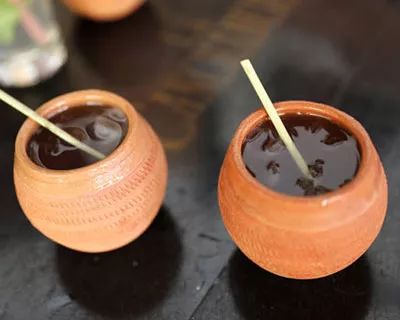
Unmatched atmosphere – Try one at a bar in Trinidad, served in a traditional clay cup, and you’ll understand. The earthiness of the vessel and the warm tropical air make it unforgettable.


Experience the Canchánchara with Buen Sabor Tours

When you book a tour with Buen Sabor Tours, you don’t just drink a Canchánchara — you live it. Our culinary and cultural adventures take you to the heart of Trinidad, where you’ll learn about the drink’s origins, see how it’s made, and of course, savor it in the very place it was born.

Forget touristy mojitos on the Malecón — we’ll introduce you to the real taste of Cuba.

Ready for a sip of history?
👉 Book your Cuban adventure with Buen Sabor Tours today and discover why the Canchánchara is the cocktail that truly defines Cuba.

A Steak Lover’s Dream: Join Our Aug 12–21 Culinary Tour of Montevideo & Buenos Aires

This August, Buen Sabor Tours invites you on an unforgettable culinary journey through two of South America’s most vibrant cities: Montevideo and Buenos Aires. From August 12th to 21st, experience a curated adventure where food, culture, and history come together in a way only Chef Kyle Gairhan can deliver.

If you’ve ever dreamed of indulging in world-class steaks, sipping Malbec at a local parrilla, and exploring the soul of Uruguay and Argentina, this is your moment.


What’s Included?

✅ Nine days, eight nights of discovery (accommodations included)
✅ All transfers and rides between destinations
✅ A personally curated experience led by Chef Kyle Gairhan
✅ Exclusive food tastings, cooking demos, and market visits

Price: $3,000 per person (not including flights)


Highlights of the Journey

🍷 Montevideo’s Old City & Mercado del Puerto
Your trip begins in the charming capital of Uruguay, where colonial streets meet a thriving foodie scene. We’ll wander through the historic Ciudad Vieja, sample sizzling steaks at Mercado del Puerto, and sip tannat wine with locals.

🌊 Rambla Nights & Hidden Bars
Enjoy evening strolls along Montevideo’s scenic Rambla, followed by drinks at hidden speakeasies that only locals know.

🥩 Buenos Aires – The Heart of Parrilla Culture
In Argentina’s capital, you’ll dine at some of the best parrillas (steakhouses) the city has to offer, from hole-in-the-wall grills to elegant, world-renowned spots.

🕺 Tango & Tapas Night
Experience a live tango performance while enjoying tapas and cocktails — a perfect pairing of passion and flavor.

🍑 San Telmo Market & Cooking Class
Explore Buenos Aires’ famed San Telmo Market, where you’ll pick up fresh ingredients for a hands-on cooking class. Learn the secrets of chimichurri and empanadas as taught by local chefs.

🌿 Day Trip: Pampas Ranch Visit
We’ll venture beyond the city to an authentic estancia for a gaucho-style asado (barbecue) feast, surrounded by the peaceful Argentine countryside.


Why Travel With Buen Sabor Tours?

This isn’t just a tour — it’s an immersive, chef-curated culinary adventure. Every meal, every stop, and every experience is designed to connect you with the true flavors and culture of Uruguay and Argentina. You’ll be traveling with a small group of like-minded food lovers, ensuring an intimate and personalized journey.


Spots Are Limited!

This is a small-group experience — secure your place now for our Aug 12–21 departure.

👉 For details or to reserve, visit buensabortours.com or message us on Instagram @buensabortours.

Cuba Month-by-Month: Events, Weather & Travel Tips

January

Weather: Dry and mild
Events:
-Havana Jazz Festival: A week-long celebration featuring international jazz artists and local talent across various venues in Havana.
Pros: Ideal weather for exploring cities and beaches.
Cons: Peak tourist season; accommodations may be pricier and require early booking.

February

Weather: Warm and dry.
Events:
-Habanos Cigar Festival: A must-attend for cigar aficionados, featuring factory tours, tastings, and seminars.
-International Salsa Festival: Dance enthusiasts can enjoy performances and workshops in Havana.
-Camagüey Culture Week: Celebrates the city’s heritage with art exhibitions, concerts, and literary events.
Pros: Vibrant cultural scene; excellent for music and dance lovers.
Cons: High demand for accommodations; book early.

March

Weather: Warm and pleasant.
Events:
-Fiesta del Tambor (Drum Festival): A celebration of percussion with performances and workshops.
-Pepe Sánchez Trova Festival: Honors traditional Cuban music with concerts and gatherings.
Pros: Ideal for music lovers; fewer tourists than peak months.
Cons: Some events may have limited seating; plan ahead.

April

Weather: Hotter with occasional rains.
Events:
-Bienal Internacional del Humor: A festival showcasing Cuban humor through art and performances.
-Semana de la Cultura Baracoense: Celebrates Baracoa’s culture with parades, culinary events, and crafts.
-Havana Biennial (biennial event): A major contemporary art exhibition attracting international artists.
Pros: Rich in cultural events; vibrant local participation.
Cons: Increasing heat; some events may be crowded.

May

Weather: Hot and humid; start of the rainy season.
Events:
-Romerías de Mayo: A cultural festival in Holguín featuring music, dance, and art.
Pros: Lush landscapes; fewer tourists.
Cons: Afternoon rains common; some outdoor events may be affected.

June

Weather: Hot and humid; rainy season continues.
Events:
-Festival del Caribe (Fiesta del Fuego): Begins late June in Santiago de Cuba, celebrating Caribbean culture with parades, music, and dance.
Pros: Authentic cultural experiences; lower travel costs.
Cons: High humidity; potential for tropical storms.

July

Weather: Very hot and humid; frequent rains.
Events:
-Santiago de Cuba Carnival: One of the island’s most vibrant festivals with colorful parades and music.
-Festival Nacional del Humor Aquelarre: A week-long comedy festival in Havana.
Pros: Immersive cultural experiences; lively atmosphere.
Cons: Extreme heat; accommodations may be limited due to local travel.

August

Weather: Hot, humid, and rainy; peak hurricane season begins.
Events:
-Fiesta de las Aguas: Celebrated in Baracoa with music, dance, and religious ceremonies.
-Festival Internacional Timbalaye: A rumba festival in Havana promoting Afro-Cuban culture.
Pros: Deep cultural immersion; fewer international tourists.
Cons: High risk of hurricanes; travel insurance recommended.

September

Weather: Hot and rainy; peak hurricane season.
Events:
-Fiesta de la Virgen de la Caridad del Cobre: Religious celebrations honoring Cuba’s patron saint.
Pros: Authentic local experiences; low tourist numbers.
Cons: Unpredictable weather; some events may be canceled.

October

Weather: Rainy with decreasing temperatures.
Events:
-Fiesta de la Cubanía: Celebrates Cuban culture in Bayamo with music, art, and literature.
-Festival de Bailador Rumbero: A rumba dance festival in Matanzas.
-Fiesta de la Cultura Iberoamericana: Held in Holguín, focusing on Ibero-American culture.
-International Theater Festival of Havana: Showcases theatrical performances from around the world.
Pros: Diverse cultural events; cooler weather.
Cons: Rain may affect outdoor activities.

November

Weather: Dry season begins; pleasant temperatures.
Events:
-Amigos de Partagás Festival: A gathering for cigar enthusiasts with tastings and factory tours.
-Marabana Marathon: Havana’s annual marathon attracting international runners.
Pros: Ideal weather; rich cultural experiences.
Cons: Events may require advance registration.

December

Weather: Cool and dry; festive atmosphere.
Events:
-International Artisan Fair (FIART): Showcases crafts from Cuban and international artists.
-Festival Internacional del Nuevo Cine Latinoamericano: Premier film festival highlighting Latin American cinema.
-Fiesta a la Guantanamera: Celebrates Guantánamo’s culture with music and dance.
-Parrandas de Remedios: Traditional Christmas festival with fireworks and parades.
Pros: Festive celebrations; excellent for art and film enthusiasts.
Cons: High tourist season; book accommodations early.

Note: Weather patterns and event dates can vary; it’s advisable to check specific event schedules and local weather forecasts when planning your trip.

Plan Your Perfect Cuban Adventure with Buen Sabor Tours

Whether you’re drawn to Cuba for its world-famous cigars, vibrant music festivals, breathtaking beaches, or rich cultural heritage, there’s a perfect time of year to match your travel style—and Buen Sabor Tours is here to make it unforgettable.
We don’t just take you to Cuba. We immerse you in its flavors, rhythms, and traditions. From behind-the-scenes access to cigar factories during the Habanos Festival to dance-filled nights at Santiago’s Carnaval, we offer custom tours that connect you with Cuba’s soul. Our expert guide, curated itineraries, and locally rooted partners ensure an experience that’s both authentic and seamless.
Why travel with Buen Sabor Tours?
-Expertly crafted cultural itineraries
-Exclusive access to events like Amigos de Partagás and FIART
-Personalized service tailored to your interests
-Responsible, ethical tourism that supports Cuban communities
-Deep local knowledge from a team that lives and breathes Cuba
Let us help you pick the perfect month to visit—whether you’re a foodie, a history buff, or simply chasing the sun. We’ll take care of the logistics so you can soak up every minute of the magic.

Skip the Resort, Embrace the Real Cuba: Why Traveling with Buen Sabor Tours is Unforgettable

Imagine this: sipping freshly pressed sugarcane juice in a bustling Havana market, the rhythms of salsa in the air, and the aroma of sizzling street food drawing you down side streets you never expected to find. This isn’t a scene from a resort brochure—this is a day in the life with Buen Sabor Tours.

1. Culinary Adventures Beyond the Buffet

Resorts might serve up the same forgettable meals day after day, but with us, every dish is an experience. You’ll eat where locals eat, learn the stories behind the recipes, and savor flavors you simply won’t find behind a buffet line. One night might be a seafood feast on the coast; the next, a home-cooked meal shared with a family who’s been cooking the same way for generations.

2. Authentic Connections with Locals

Resorts keep you behind the walls. We take you into the heart of Cuba. You’ll meet the real people of this island—farmers, chefs, musicians, dancers—who open their lives to you. These are not staged “cultural experiences.” They’re real conversations, real friendships, real insight into everyday Cuban life.

3. Every Day is a New Adventure

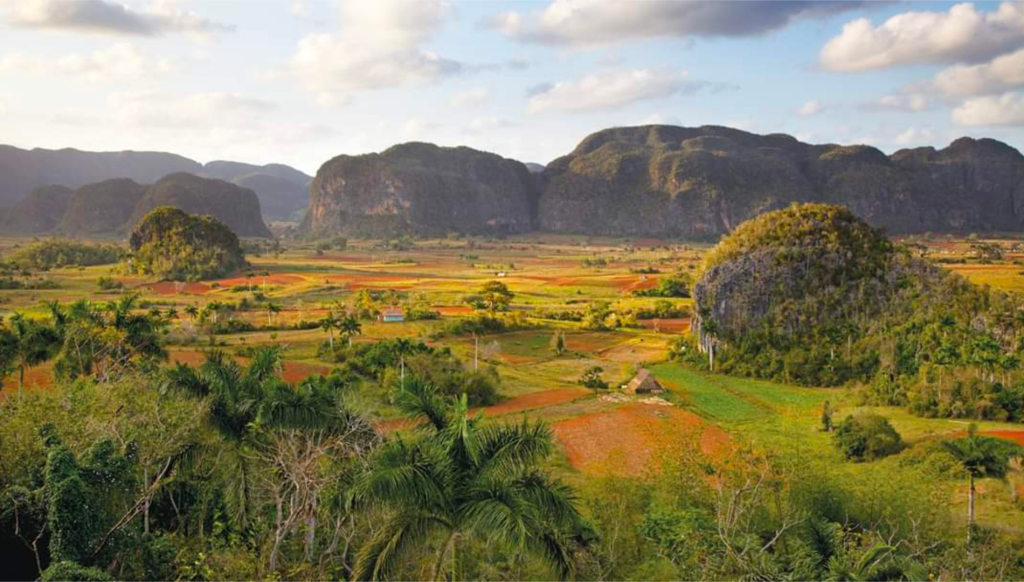
Predictable? Not here. With Buen Sabor Tours, no two days are the same. One day, you might be exploring the tobacco fields of Viñales, learning how the world’s finest cigars are made. The next, you’re swimming in the crystal-clear waters of Saturno Cave or wandering cobblestone streets in Trinidad. We don’t do copy-paste itineraries—we do lived experiences.

4. Expertly Curated, Passionately Led

This isn’t just a job—it’s personal. I’ve spent years building relationships across Cuba, uncovering the hidden gems and unforgettable people that make this island magic. My goal? To help you fall in love with Cuba the way I did. You’ll experience it through my eyes—with all the nuance, depth, and joy the island deserves.

5. Personalized and Legal Travel—Made Easy

Traveling to Cuba can feel complicated. I make it simple. Your trip is 100% legal under U.S. travel guidelines, and we take care of all the logistics. What you get is a deeply personal, highly flexible journey tailored to your interests, passions, and pace.


Skip the poolside routine. Come discover Cuba with me.

Buen Sabor Tours isn’t about checking off landmarks. It’s about connection, flavor, rhythm, and story. It’s about having an experience you’ll talk about for the rest of your life.

Let’s make that happen.

Exchanging Currency in Cuba: What You Need to Know

If you’re planning a trip to Cuba, one of the first things you’ll need to figure out is how to handle money. The currency situation in Cuba can be confusing, especially for first-time visitors. This guide breaks it down clearly so you can make the most of your money while supporting locals directly.

What Currency Does Cuba Use?

Cuba uses the Cuban Peso (CUP), and while some businesses accept foreign currencies like USD or Euros, most everyday purchases—like food, taxis, or markets—are in CUP.

The Real Exchange Rate vs. the Official Rate

The official exchange rate in government institutions like CADECA (casas de cambio) or airport kiosks is often much lower than the actual street value of the Cuban Peso. For this reason, savvy travelers rely on the “El Toque” rate—an independently tracked exchange rate based on actual informal market activity.

You can find the El Toque rate online by visiting eltoque.com, and it’s updated daily.

Aim for a Fair Deal, Not Perfection

When exchanging money, don’t stress if you don’t get the exact El Toque rate. If you get an offer that’s 10–20 pesos less per USD than the El Toque rate, that’s considered a fair and normal deal. You’re still getting a much better rate than you would at the airport or a state-run exchange.

For example, if the El Toque rate is 360 CUP per 1 USD, then 340–350 CUP is a decent offer.

Avoid the Airport Exchange Kiosks

You won’t find any Cuban Pesos outside of Cuba. No reason to waste your time trying to exchange before your trip.

Where and How to Exchange Money

Instead, use Cuba’s informal market to exchange your currency. There are a few safe and easy ways to find trustworthy people:

1. Facebook Groups
Search for Facebook groups like “Cuba Travel Tips”, “Cuban Expats”, or “Cuba Exchange Rates”. You can post a request or browse recent posts to find locals or fellow travelers offering exchanges.


2. Revolico App or Website
Revolico.com is Cuba’s version of Craigslist. Go to the “Divisas” (currency) section to find up-to-date offers and contact sellers. Many Cubans use WhatsApp or Telegram to finalize the exchange, and some may even come directly to your casa particular (rental home).


A Few Final Tips

Only exchange what you need for a few days at a time. The rate can fluctuate quickly.

Bring cash—preferably USD or Euros. ATMs in Cuba have a horrible exchange rate. Americans can’t use their cards anyway.

Count your money carefully. Most people are honest, but it’s always smart to verify the exchange on both sides.


By exchanging money wisely, you’ll get the best value for your trip and put more money directly into the hands of everyday Cubans—not government institutions.

Why Staying in a Casa Particular in Hidden Beach Towns Like Guanabo or Boca de Camarioca Beats the Resorts


When most people think of a beach vacation in Cuba, they picture the high-rise resorts of Varadero or the postcard-perfect keys like Cayo Coco. And while those destinations have their charms, seasoned travelers know that the true soul of Cuba lies off the beaten path—specifically, in lesser-known beach towns like Guanabo and Boca de Camarioca. Here’s why staying in a casa particular in one of these towns might just be the best decision you make on your Cuban journey.

1. More Affordable, More Local

Resorts often come with a hefty price tag and a standard, one-size-fits-all experience. In contrast, casas particulares—Cuba’s version of bed-and-breakfasts—offer charming, comfortable accommodations for a fraction of the cost. Plus, your money goes straight to local families, not corporations.

In Guanabo or Boca de Camarioca, you’ll often find beachside casas with ocean views, home-cooked meals, and warm hosts who treat you like family—all at budget-friendly rates.

2. A Deeper Cultural Experience

When you stay at a casa particular, you’re not just renting a room—you’re becoming part of a Cuban home. Your hosts might share stories over morning coffee, offer to cook traditional meals, or even invite you to local festivities. In quieter towns, this connection is even more genuine.

You’ll hear salsa floating through the streets at night, see kids playing baseball on the beach, and maybe even get invited to a family domino game. This is Cuba as it truly is—not the polished version packaged for mass tourism.

3. Less Crowds, More Beauty

The beaches in Guanabo and Boca de Camarioca are stunning—often just as beautiful as those in Varadero or Cayo Coco—but without the crowds. You’ll find stretches of sand where you can walk for miles without seeing another tourist, swim in calm, clear waters, and watch the sunset in peace.

The natural beauty here is raw, real, and often overlooked—making it perfect for travelers looking to connect with nature without the buzz of big hotel zones.

4. Easier Access to Local Adventures

Both Guanabo and Boca de Camarioca are within easy reach of Havana and Matanzas, which makes day trips simple. You can explore vibrant Havana by day and return to your quiet beach town by night.

From Boca, you’re a short drive to the caves of Bellamar or the lush Yumuri Valley. From Guanabo, the Havana nightlife and the untouched eastern beaches of Playas del Este are at your fingertips.

5. Support Sustainable Travel

Choosing a casa particular helps support Cuban families and encourages more sustainable tourism. It’s a direct way to make your trip meaningful and impactful while still enjoying comfort, fun, and beautiful surroundings.


Final Thoughts

If you’re dreaming of a Cuban beach getaway, consider skipping the all-inclusive resorts and diving into the vibrant, laid-back rhythm of places like Guanabo or Boca de Camarioca. You’ll save money, experience more, and leave with memories that no resort wristband could ever provide.

Ready to explore Cuba your way? Check out our curated stays in authentic beachside casas and plan your unforgettable Cuban escape today.

Where do the flavors of Cuban Cuisine come from?

At Buen Sabor Tours, we believe that to truly understand a place, you have to taste it. Cuban cuisine is a delicious mosaic of history, culture, and resilience—a fusion of flavors born from centuries of migration, adaptation, and creativity. But where exactly do the bold, comforting, and sometimes surprising flavors of Cuban food come from?

Let’s take a journey through the culinary roots of Cuba.


1. Spanish Influence: The Backbone of Cuban Cooking

Spain brought more than colonization to Cuba—it brought ingredients, cooking techniques, and traditions that became the backbone of Cuban cuisine. Dishes like ropa vieja (shredded beef), paella-inspired arroz con pollo, and the use of olive oil, garlic, and onions all trace their origins to Spain. The Spanish also introduced livestock, including pigs and cattle, which helped shape Cuba’s meat-based dishes.


2. African Heritage: Soulful Spices and Rich Traditions

Enslaved Africans brought to the island contributed deeply to its culinary landscape. They introduced techniques like slow-cooking, frying, and stewing, and brought ingredients such as okra (quimbombó), taro root (malanga), and plantains. African influence lives on in dishes like fufú de plátano and ajíaco, and in the rhythmic blending of sweet, savory, and spicy that defines many Cuban meals.


3. Indigenous Taíno Roots: The Island’s First Flavors

Before European contact, the Taíno people thrived on the island, living off the land with deep knowledge of local crops and cooking methods. They contributed staples like yucca, maíz (corn), ajíes (peppers), and methods like roasting over an open flame—the origin of the word “barbecue,” or barbacoa in Taíno. You’ll still find echoes of these ingredients in Cuban stews, soups, and snacks.


4. Caribbean Neighbors: Shared Ingredients, Unique Spin

As an island in the heart of the Caribbean, Cuba shares ingredients and culinary sensibilities with its neighbors. You’ll find similarities with Haitian, Dominican, and Jamaican dishes, such as the use of coconut milk, tropical fruits, and starchy vegetables. Yet Cuba always adds its own spin—often simplifying recipes and emphasizing slow-cooked depth over heat or fire.


5. Chinese and Middle Eastern Influence: Unexpected but Delicious

In the 19th century, Chinese laborers arrived in Cuba, especially in Havana and Matanzas. While Chinese-Cuban cuisine isn’t as prominent today, some influence remains—particularly in Cuban-style fried rice (arroz frito) and quick stir-fry techniques. There’s also subtle Middle Eastern influence, brought by Lebanese and Syrian immigrants, visible in the use of cumin, cinnamon, and even chickpeas.


6. Revolution and Resilience: Flavors of Ingenuity

Cuban cuisine has also been shaped by hardship—particularly during times of economic struggle, like the Special Period in the 1990s. These challenges led to a culinary creativity built on making the most of limited ingredients. Home cooks learned to stretch simple foods into hearty meals, which is why so many Cuban dishes are humble, filling, and made to be shared.


A Taste of Culture in Every Bite

Every time you bite into a Cuban dish—whether it’s a flaky empanada, a bowl of moros y cristianos, or a fresh seafood enchilado—you’re tasting the island’s layered history. Cuban food is more than sustenance; it’s storytelling through spices, survival through stew, and celebration through sweet, rich desserts.

At Buen Sabor Tours, we invite you to experience these flavors firsthand. Our food tours and culinary adventures take you beyond the plate—into the kitchens, farms, and family recipes that bring Cuba’s history to life.


Ready to taste the story of Cuba?
Join us on a tour and discover where Cuba’s unforgettable flavors come from.

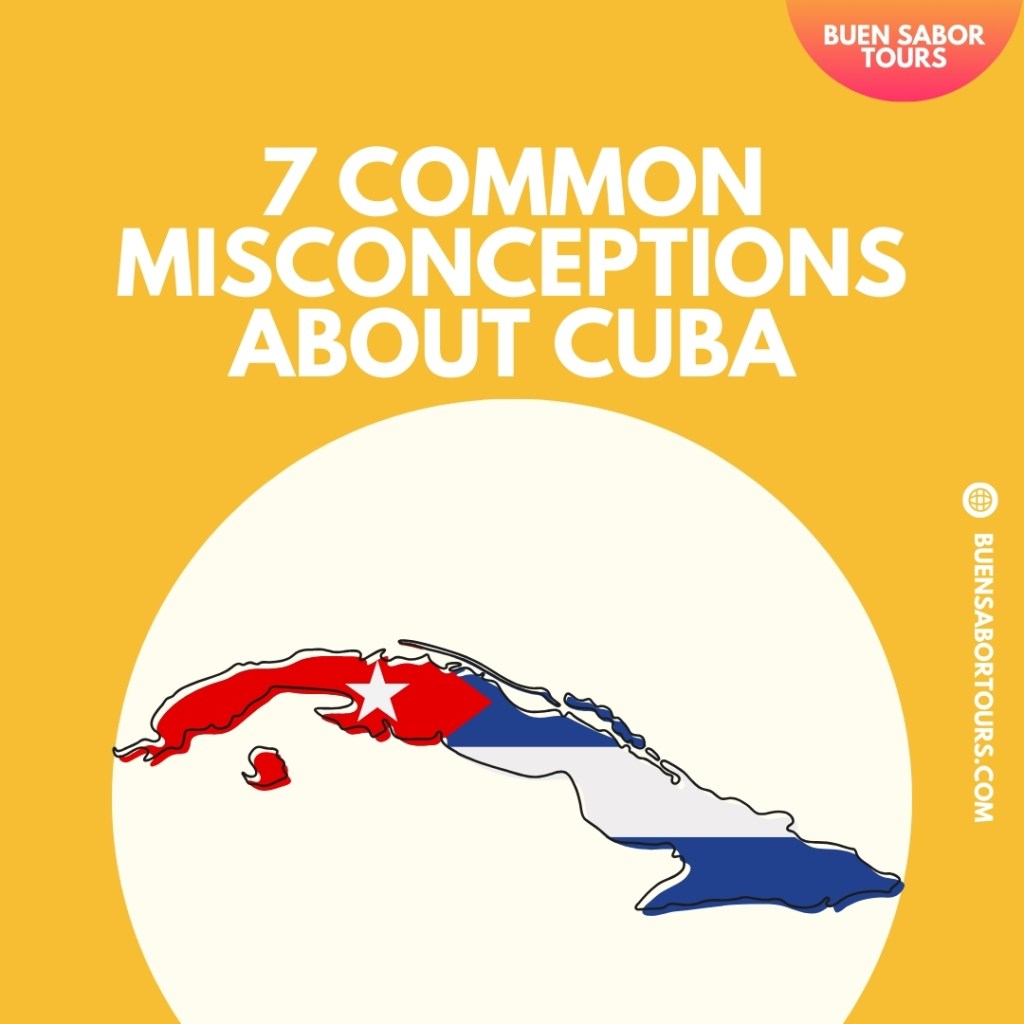
7 Common Misconceptions About Cuba

1. *Americans are not allowed:* – This is a common misconception rooted in historical tensions. In reality, Americans can visit Cuba legally under certain conditions, such as participating in educational or cultural exchanges. Travel restrictions have eased in recent years, allowing more Americans to explore the unique culture and beauty of Cuba. Buen Sabor Tours specializes in taking Americans to Cuba while staying OFAC compliant.

2. *Cubans can’t leave:* – While there were travel restrictions in the past, Cubans can now travel abroad more freely. The misconception likely stems from historical periods of strict emigration controls. Today, many Cubans travel internationally for various reasons, including tourism, work, and family visits.

3. *Cuba is dangerous:* – Contrary to the perception of danger, Cuba is considered one of the safest destinations in the Caribbean. The country has a low crime rate, and its emphasis on education and healthcare contributes to a generally secure environment for tourists. Like any destination, exercising basic precautions ensures a safe and enjoyable experience.

4. *Cubans hate Americans:* – This misconception overlooks the warm hospitality and friendliness that Cubans often extend to visitors, regardless of nationality. Political differences between the two countries don’t necessarily translate to personal animosity. Many Cubans welcome the opportunity to engage with Americans, sharing their culture and building connections.

5. *Cuba is expensive to travel to:* – While Cuba was once perceived as costly, recent years have seen increased affordability, especially with a growing number of budget accommodation options and transportation alternatives. Travelers can explore Cuba on various budgets, enjoying its beauty without breaking the bank. Buen Sabor Tours can help you experience Cuba on any budget, from luxury to frugal.

6. *No one speaks English:* – While Spanish is the official language, and knowledge of basic Spanish can enhance the travel experience, there are many English speakers in tourist areas. The misconception likely arises from the idea that English is not widely spoken, but in reality, communication is often manageable for English-speaking tourists.

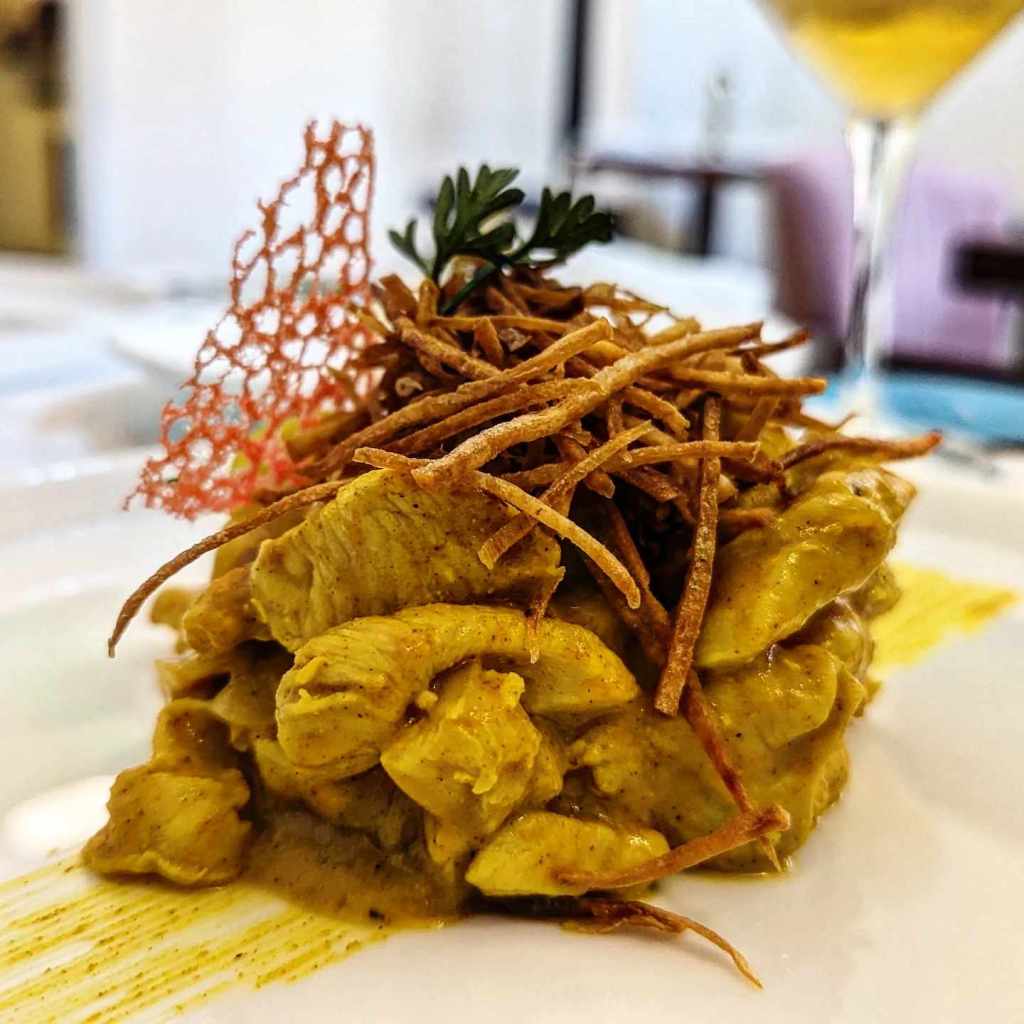
7. *The food is bad:* – This stereotype fails to appreciate the richness of Cuban cuisine. While it may not be as internationally renowned as some other cuisines, Cuba offers flavorful dishes influenced by a mix of Spanish, African, and Caribbean culinary traditions. Exploring local eateries and trying traditional dishes can reveal the diverse and delicious side of Cuban cuisine. Let Buen Sabor Tours take you to the best restaurants to see the Good Taste of Cuba.

Your Cuban Adventure Awaits

Cueva Saturno

🌟✨ Embark on a Culinary Adventure with Chef Kyle Gairhan and Buen Sabor Cuban Tours! 🇨🇺🍽️

🌆 City Life, 🏛️ Museums, 🏞️ Hiking in Viñales, 🏊‍♂️ Swimming in a Cave, and Culinary Bliss – Craft Your Own Personalized Cuban Experience! 🎉✈️

Join us on a journey where your dreams transform into unforgettable memories. Chef Kyle Gairhan and Buen Sabor Cuban Tours invite you to curate your very own adventure through the vibrant tapestry of Cuba.

🏙️ Immerse yourself in the rhythm of city life, explore the cultural treasures within museums, and savor the urban flavors of Cuba.

🏞️ Traverse the breathtaking landscapes of Viñales, where hiking becomes a scenic spectacle, and every step unveils the beauty of nature.

🌊 Dive into the exhilarating experience of swimming in a cave, discovering hidden wonders that will leave you in awe.

🍲 Indulge in the finest cuisine prepared by the best chefs in Cuba, where each dish tells a story and flavors come alive.

🎊 Your adventure, your choices! Whether you’re a culture enthusiast, a nature lover, or a food connoisseur, Chef Kyle is here to tailor an experience that reflects your unique taste and desires.

📆 Book your personalized Cuban tour now and let Buen Sabor and Chef Kyle Gairhan turn your dreams into a mosaic of cherished memories. 🌈✨